Capacity tariff
The old system: upgrading = paying
The logic of the electricity grid used to be very simple. If you used to want heavy appliances—such as electric heating or a heavy three-phase connection—you paid a one-off fee for the upgraded installation.
Afterwards, no one cared how you used that electricity. Your grid energy bill was calculated exclusively based on your total consumption (in kWh). The grid operator didn't care whether you spread that power out neatly over the day, or turned on all your heavy appliances at the same time in one go.
But: the grid is becoming increasingly strained
Today, our world looks different. We are driving electric en masse, heating with heat pumps, and covering roofs with solar panels.
When everyone comes home in the evening, turns on the stove, and plugs in their electric car, an entire street demands a massive amount of power all at once. To handle those rare peaks, the grid operator constantly had to reinforce the grid with thicker cables. That costs billions. Those who spread out their power neatly used to pay just as much as the heavy peak consumers, but that is changing now.
So: the capacity tariff was introduced
Recently, we have been paying part of our grid costs through the capacity tariff. This reduces the pressure to reinforce the grid, and the largest peak consumers will contribute the most to that reinforcement.
Average monthly peak
The principle: A large part of your grid costs is calculated based on your monthly peak (your highest quarterly consumption of that month).
Avoiding peaks
Do you turn on the stove, start the tumble dryer, and charge your electric car at full power all at once? Then your peak shoots up, and you will pay more grid costs for the rest of the year.
After all, the grid operator no longer just looks at how much total energy you consume, but especially at your peak load (in kW).
Spreading consumption
By using energy more consciously, such as spreading consumption and reducing unnecessary energy use during peak hours, you can minimize unnecessary costs.
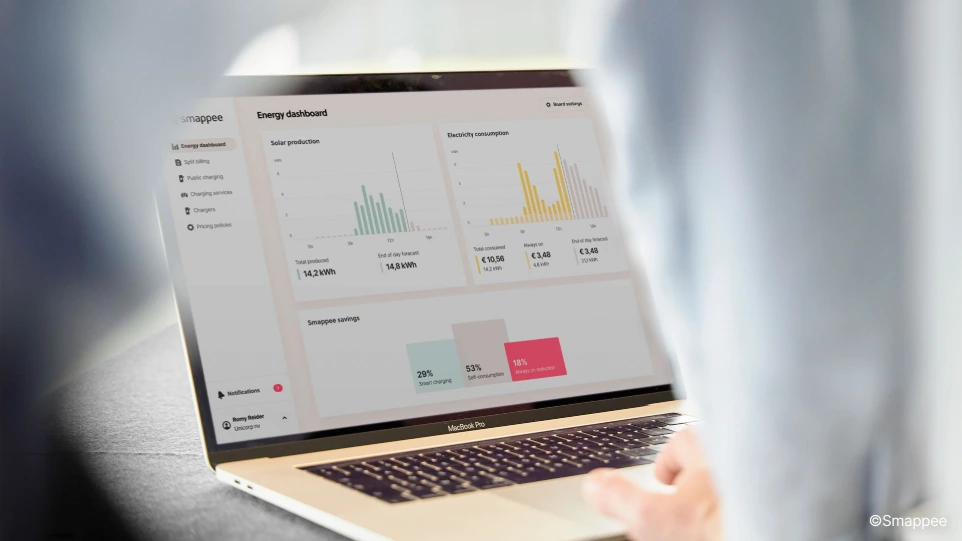
How you tackle this most smartly
No stress; technology is evolving along with it:
Smart charging stations:
Almost all modern charging stations can communicate with your home and thus automatically avoid peak loads. For example, the charging stations will limit their power consumption when they detect that your total consumption reaches a certain threshold.
For example, when you start cooking, your car will temporarily charge a bit slower so that the set threshold is not exceeded.
Home batteries:
Absorbs power peaks and supplies energy when your house suddenly demands a lot of power. This way, for example, your electric car can continue charging during peak moments as well, since the electricity provided by your battery does not put a load on the grid.
Solar panels:
Because your own system provides for your energy needs, no electricity needs to flow through the grid operator's cables to your house at that moment. This keeps your peak load on the grid considerably lower.
By integrating storage, generation, and consumers into a single system as much as possible, you create a smart and self-sufficient ecosystem in your home. Solar panels, a home battery, and a smart charging station work together seamlessly to maximize the use of your own green electricity and automatically smooth out expensive grid peaks.
Consult your peak consumption
Below is a description to consult your monthly peak consumption for the largest energy network operators in Belgium. Based on this information, a limit can be set for the energy consumed by your charging systems in order to limit your capacity tariff in this way.

Consulting your data is done in 3 steps:
- Register/Log in
- Link Digital Meter to your account
- Requesting and subsequently consulting consumption history
In addition to the step-by-step plan below, you can also consult Fluvius' official instructional videos.
Start the process by logging in via Mijn Fluvius.
Next, you need to link the meter in question to your account. For this, you need the EAN number of the meter, which can be found on your energy bill.
Ensuite, vous devez associer le compteur en question à votre compte. Pour ce faire, vous avez besoin du numéro EAN du compteur, que vous trouverez sur votre facture d'énergie.
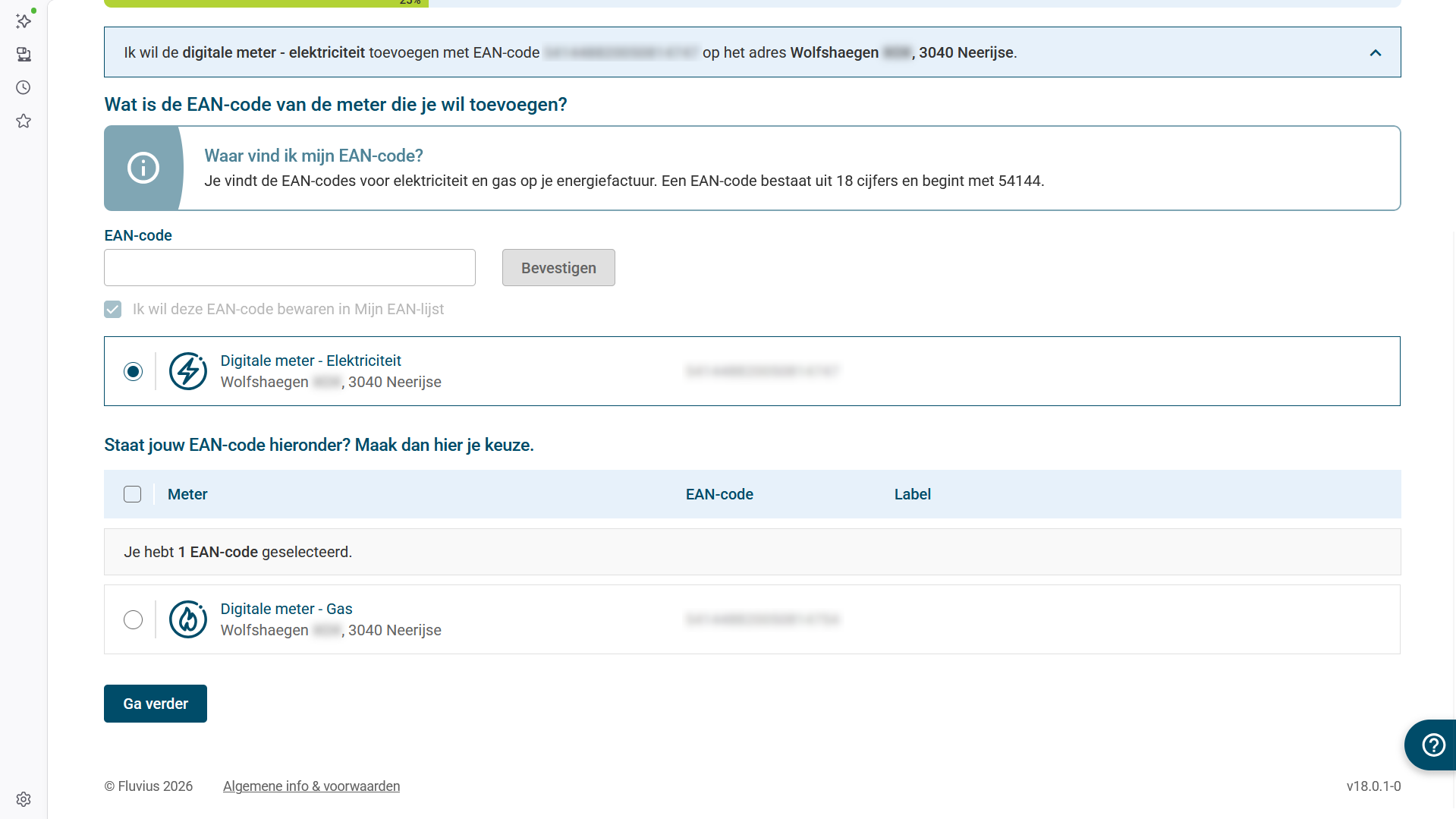
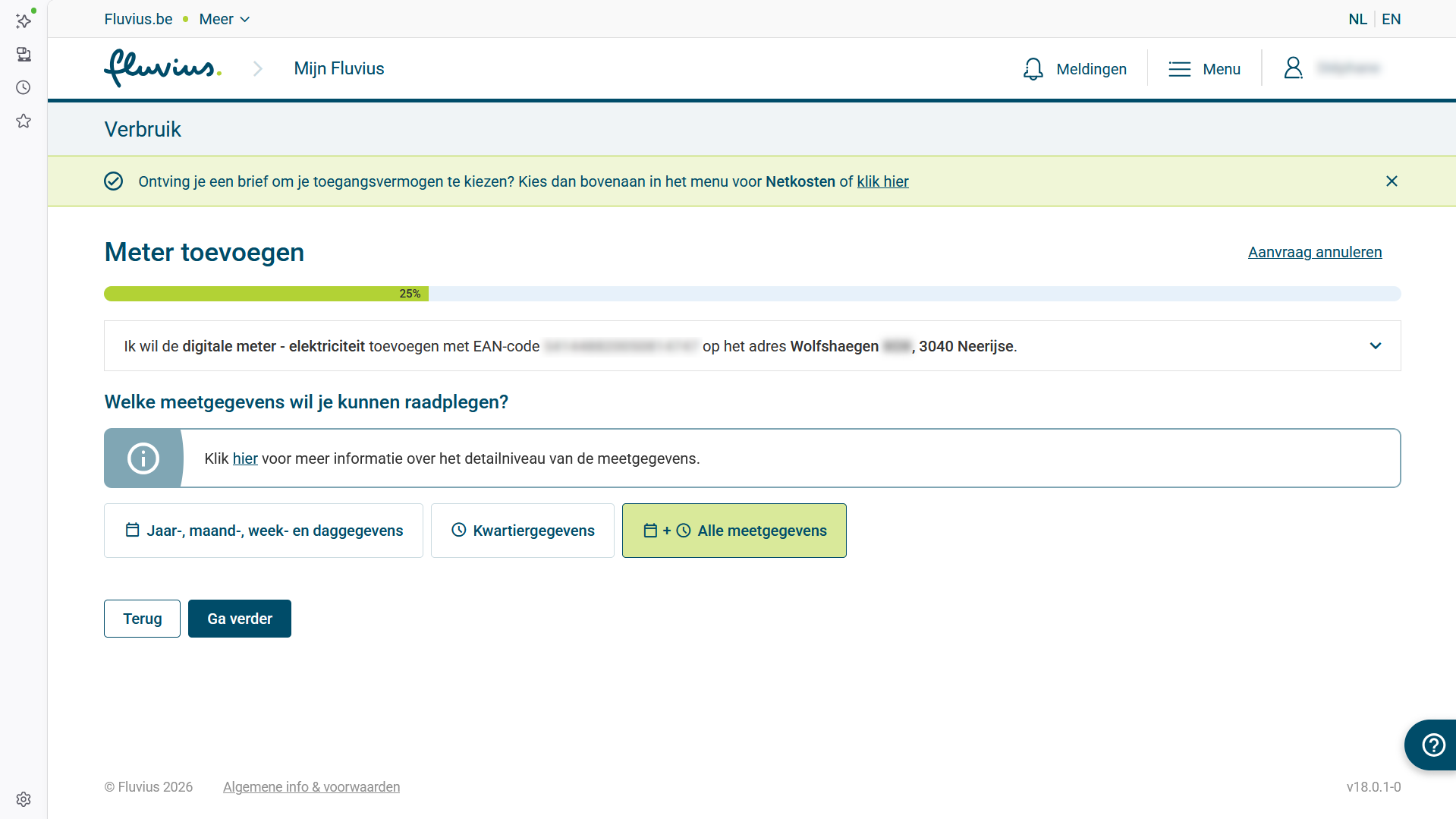
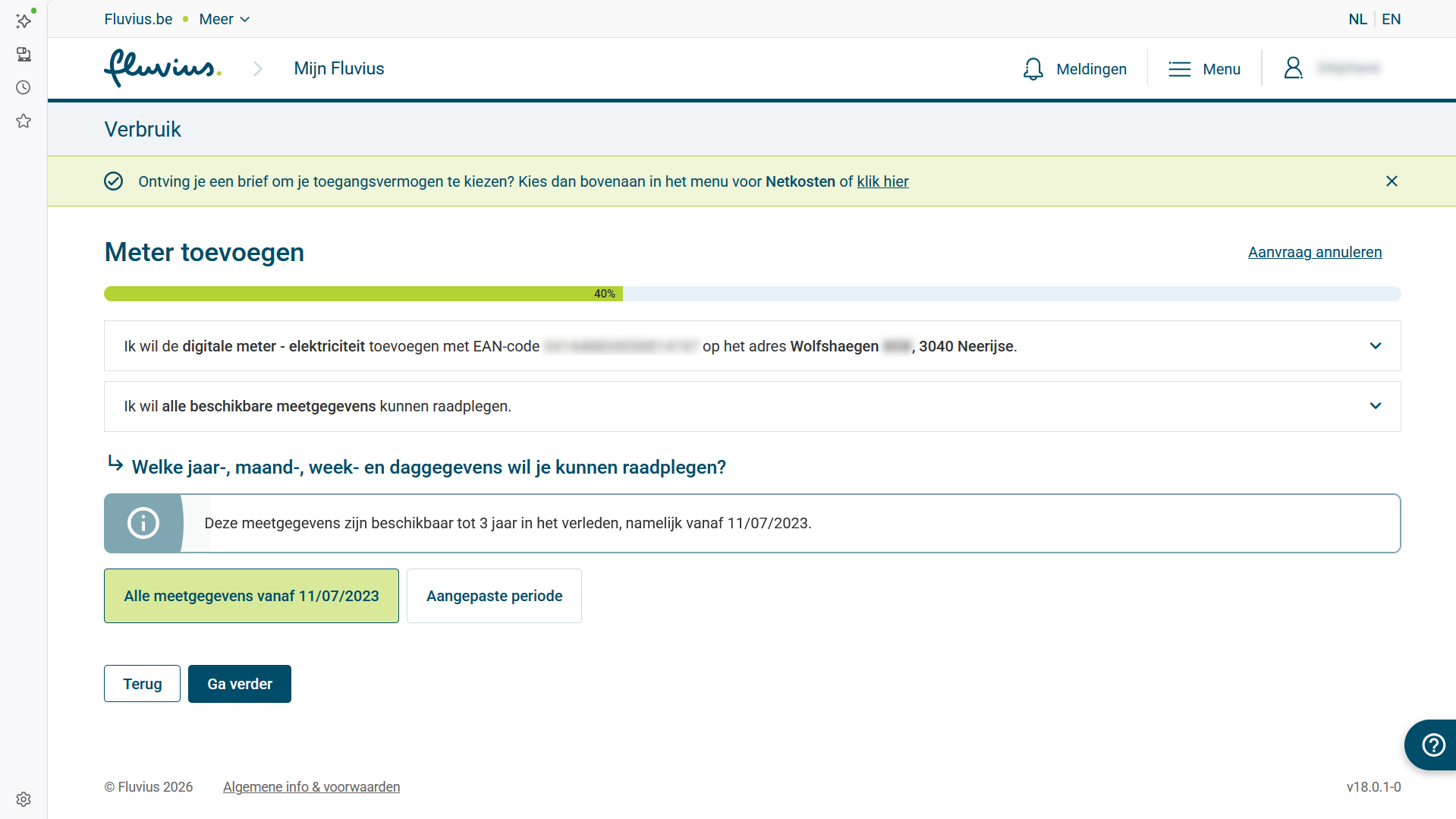
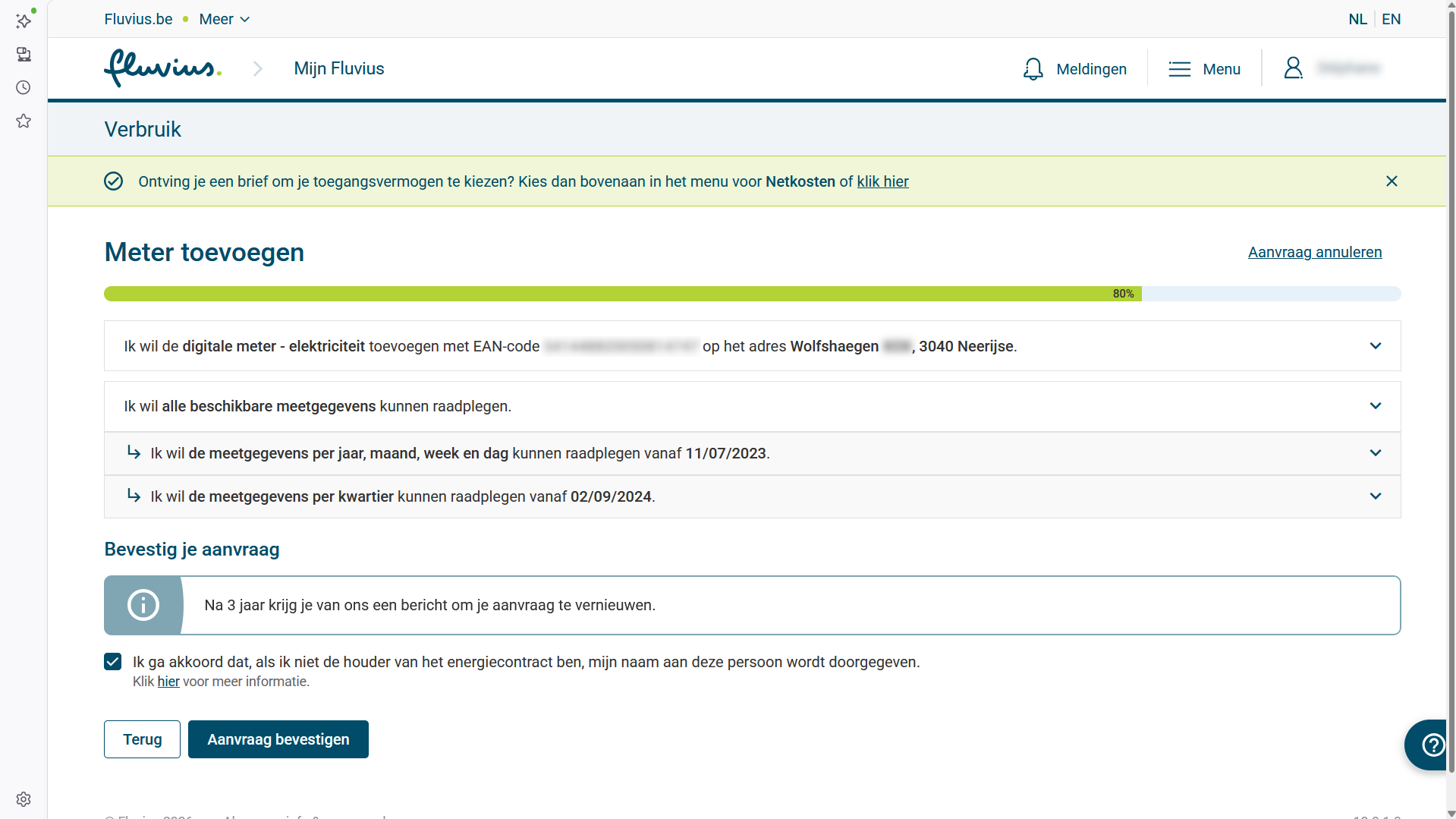
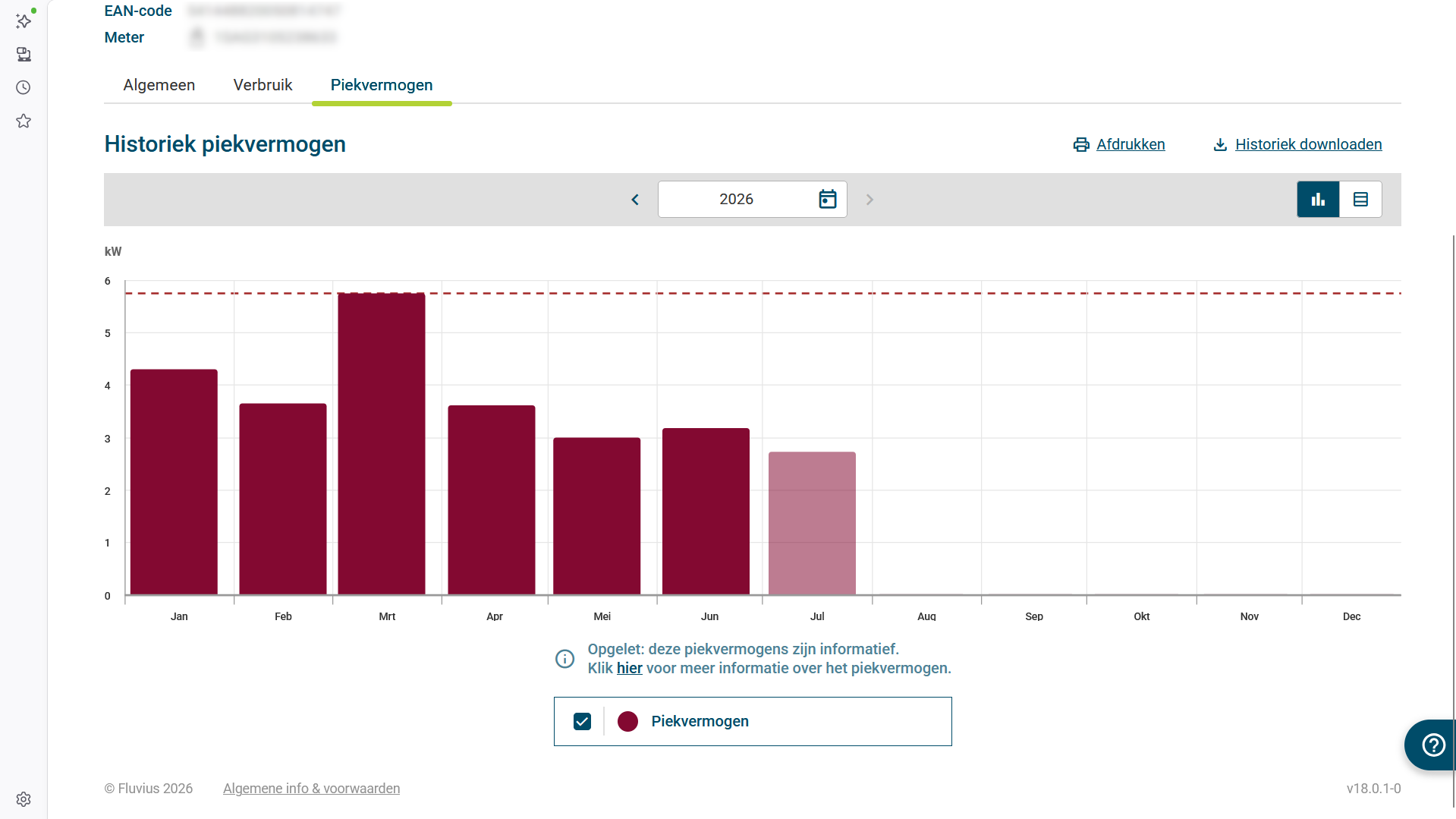
Afterwards, you will receive an email with a QR code. Scan that QR code and confirm via your browser. Once the request is completed, you can consult your monthly peak power under the measurement data.
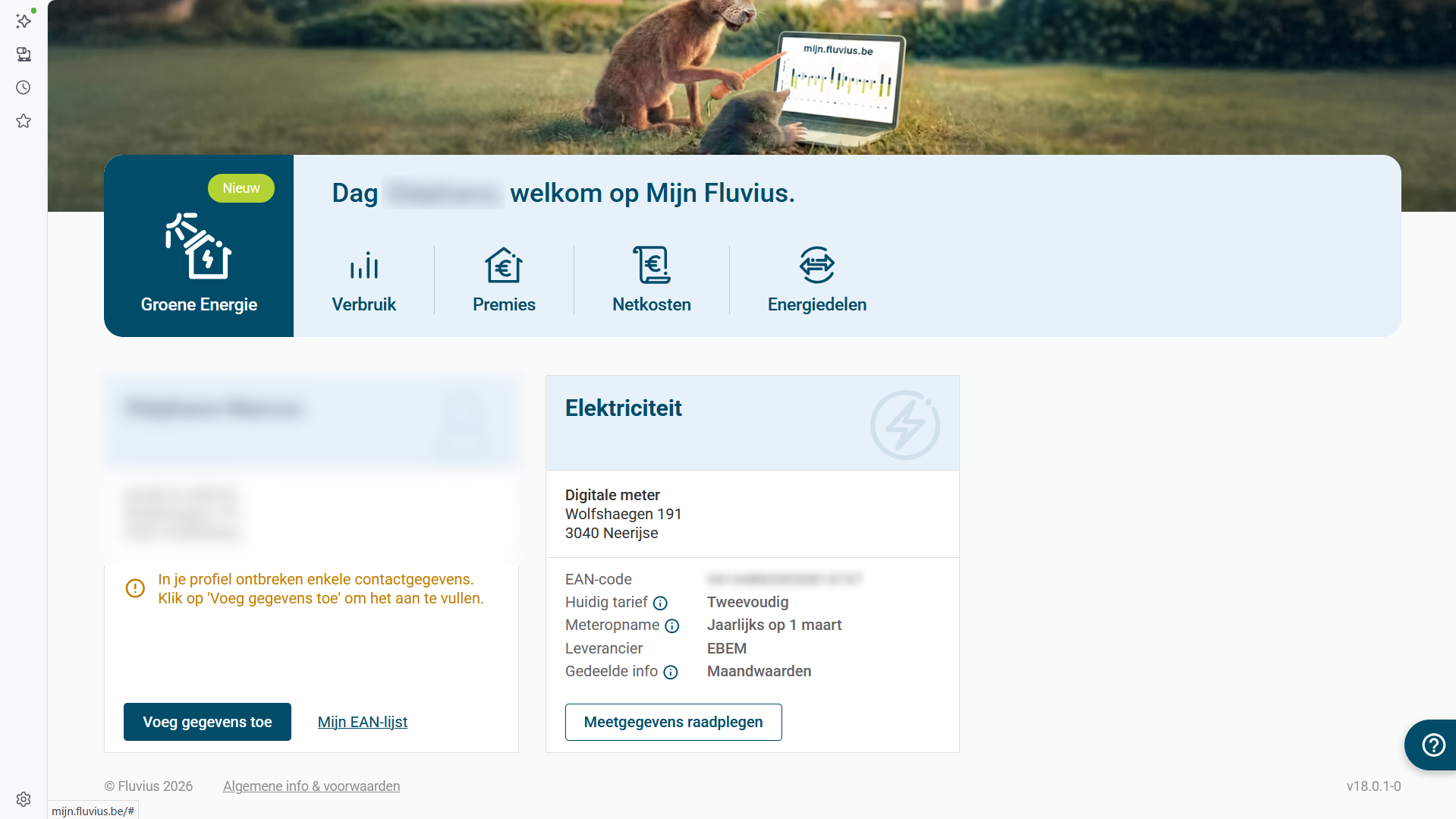
Based on the following graph, we can advise you further on setting up your charging stations.
At Sibelga, you can request your consumption history here via the buttons Consumption > Consumption analysis and then filling in your data. Afterwards, you can enter the EAN number of the meter, which can be found on your energy bill.
You can also consult this data via the My Sibelga portal, under the "My consumption" tab.
At Ores, you can consult your consumption in two ways:
- Via the EMORES-app: This offers the most insight, but requires more administrative steps for registration.
- Via the customer portal: This allows you to request an overview of your consumption history once a year using your EAN code and meter number.
Our partners